
QR code usage continues to expand across industries, driven by the need for fast, contactless access to digital information. Recent demonstrations of responsive QR code generation tools highlight how this technology is evolving beyond basic functionality into a more design-focused and adaptable format.
Modern QR generators now place greater emphasis on responsiveness, ensuring that both the creation interface and the resulting codes function smoothly across mobile phones, tablets, and desktop devices. This shift mirrors broader web standards, where mobile-first usability has become the norm rather than the exception.
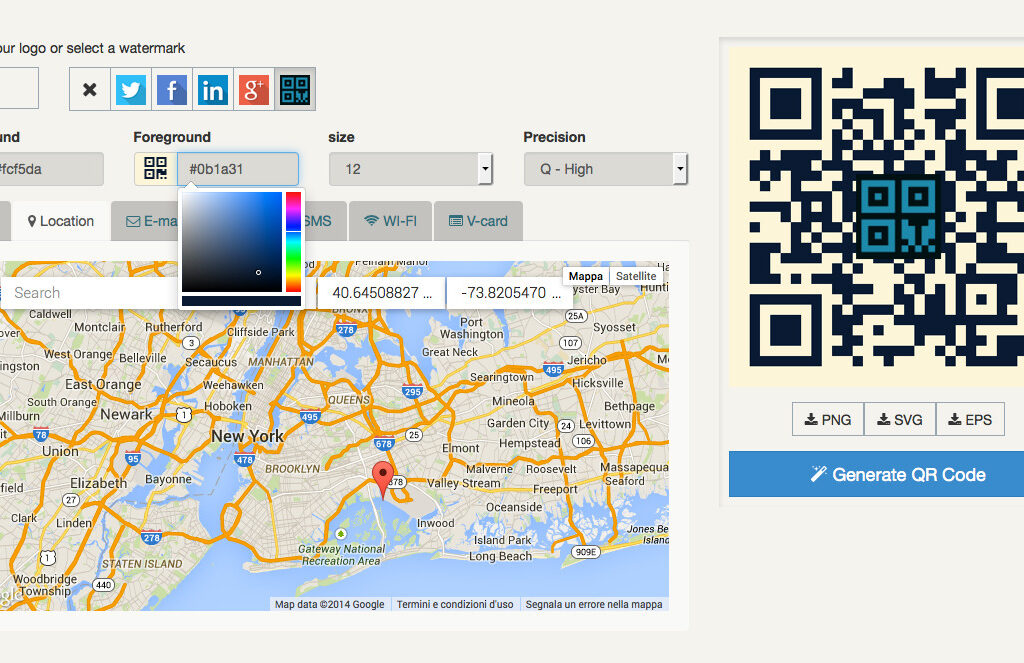
Visual customization has emerged as a defining feature in newer QR code tools. Instead of relying on standard black-and-white squares, users are increasingly able to apply brand colors, embed logos, and select from multiple pattern styles. This approach reflects how QR codes are no longer treated as purely technical elements, but as part of a broader visual communication strategy.
In everyday business settings, this design flexibility plays a practical role. A real-world example can be seen in retail environments, where QR codes placed on shelves or product displays are expected to align visually with surrounding signage. A mismatched or generic design can appear out of place, while a customized code blends naturally into the layout.
Restaurants and cafés provide another common use case. As digital menus remain widespread, QR codes are often printed directly on tables or receipts. Tools that allow adjustments to color contrast and logo placement help ensure the codes are both scannable and visually consistent with the establishment’s branding.
Event management has also influenced QR code development. Conferences, festivals, and public meetings increasingly rely on QR codes to distribute schedules, maps, and updates. In these settings, the ability to quickly modify designs and regenerate codes can be useful when information changes on short notice.
Another notable trend is the focus on output quality. High-resolution QR code exports are now expected to work equally well on websites, posters, and packaging. This addresses long-standing issues where resized or poorly generated codes failed to scan reliably once printed.
From an accessibility standpoint, real-time previews have become more common. These previews allow users to immediately see how changes in color, contrast, or embedded logos affect readability. This feature reduces the risk of producing visually appealing codes that do not function as intended.
Outside of commercial use, QR codes have also gained traction in education and community settings. Schools, libraries, and local organizations frequently use QR codes to link printed materials to online resources, calendars, or documents. Simple, adaptable generation tools support these use cases without requiring technical expertise.
The growing attention to QR design also reflects a cultural shift. As QR codes appear more frequently in public spaces, users have become accustomed to scanning them quickly and confidently. Clear design and consistency contribute to that trust and usability.
Taken together, these developments suggest that QR code generation is no longer treated as a minor technical task. Instead, it is becoming an integrated part of how information is shared between physical and digital environments.
As QR codes continue to serve as gateways to online content, the tools used to create them are adapting to meet expectations around usability, appearance, and reliability. The current generation of responsive, customizable QR code solutions illustrates how even familiar technologies continue to evolve in response to changing communication needs.